Buys & Receipt: Hüsker Dü’s 1985…
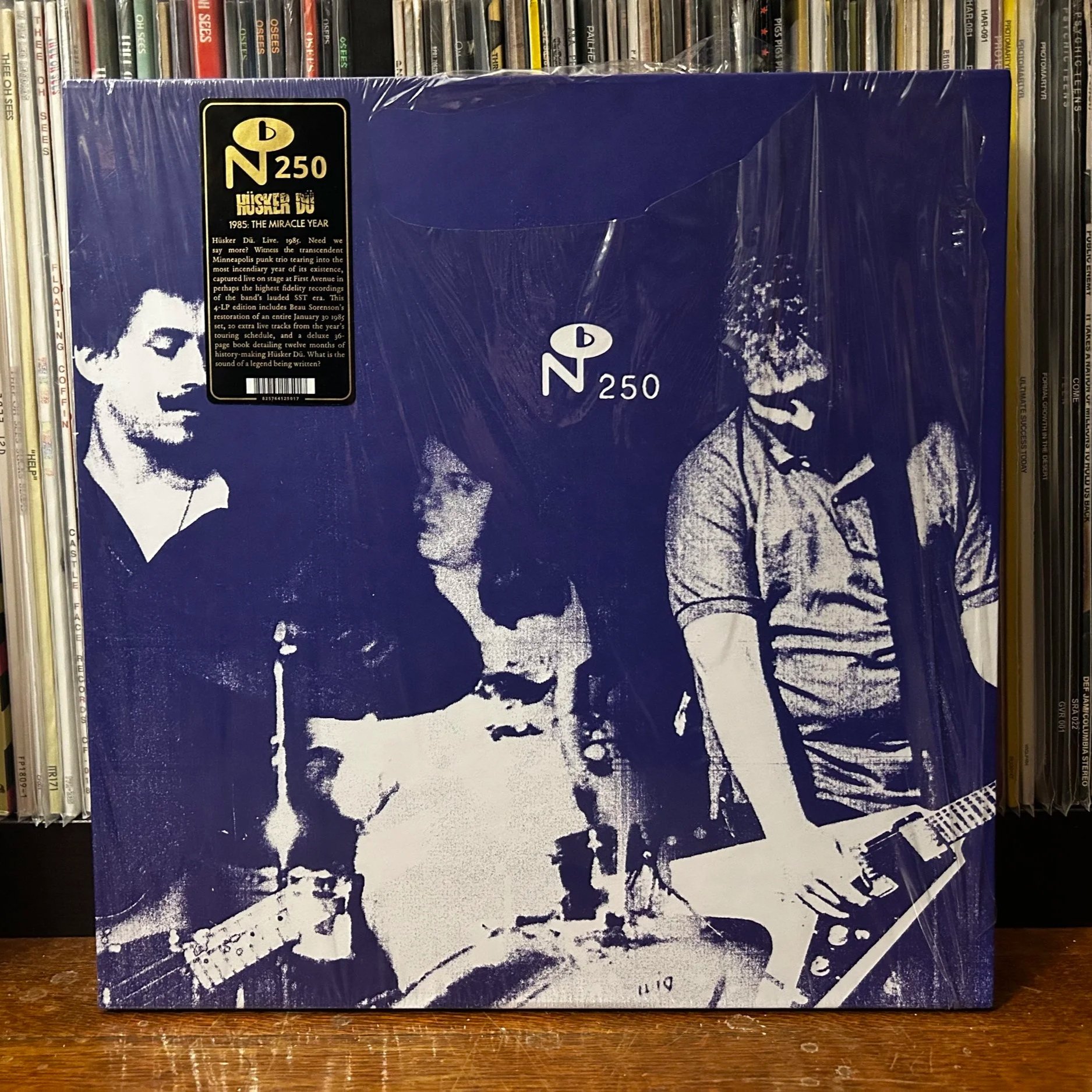
Hüsker Dü
1985: The Miracle Year
Released: 11/25
Numero Group
I turned 9 in 1985.
In those days you could find me stuffed into an ugly and uncomfortable Catholic school uniform, busily drawing in the margins of my wide-ruled copybooks while my head exploded with visions of epic Star Wars battles or other cartoon-level sci-fi conflicts, mentally vacated from the weekday slog of nuns angrily inflicting knowledge unto me and my classmates. I’m sure the boredom showed on my face as easily as text on a billboard, and nothing intensified my want of escape more.
My proximity to underground youth culture was years away, and my eventual attraction to the abrasive buzz of punk rock and the genre’s numerous alienating offshoots would inform a love for live music and low-fidelity mixtapes, infiltrating my brain with new daydream-inducing obsessions. Hüsker Dü, the seminal Minnesotan punk trio who were on the precipice of becoming a major label acquisition midway through the 80s, would be dissolved well before I could’ve seen them live. As a document of this era of the band’s rep as a sonic colossus onstage, 1985: The Miracle Year is shocking in its clarity and visceral punch, confirming that the band’s talked-about prowess and attack cannot be disputed.
And if you were fortunate enough to witness the performances that this box set contains, fuck you.
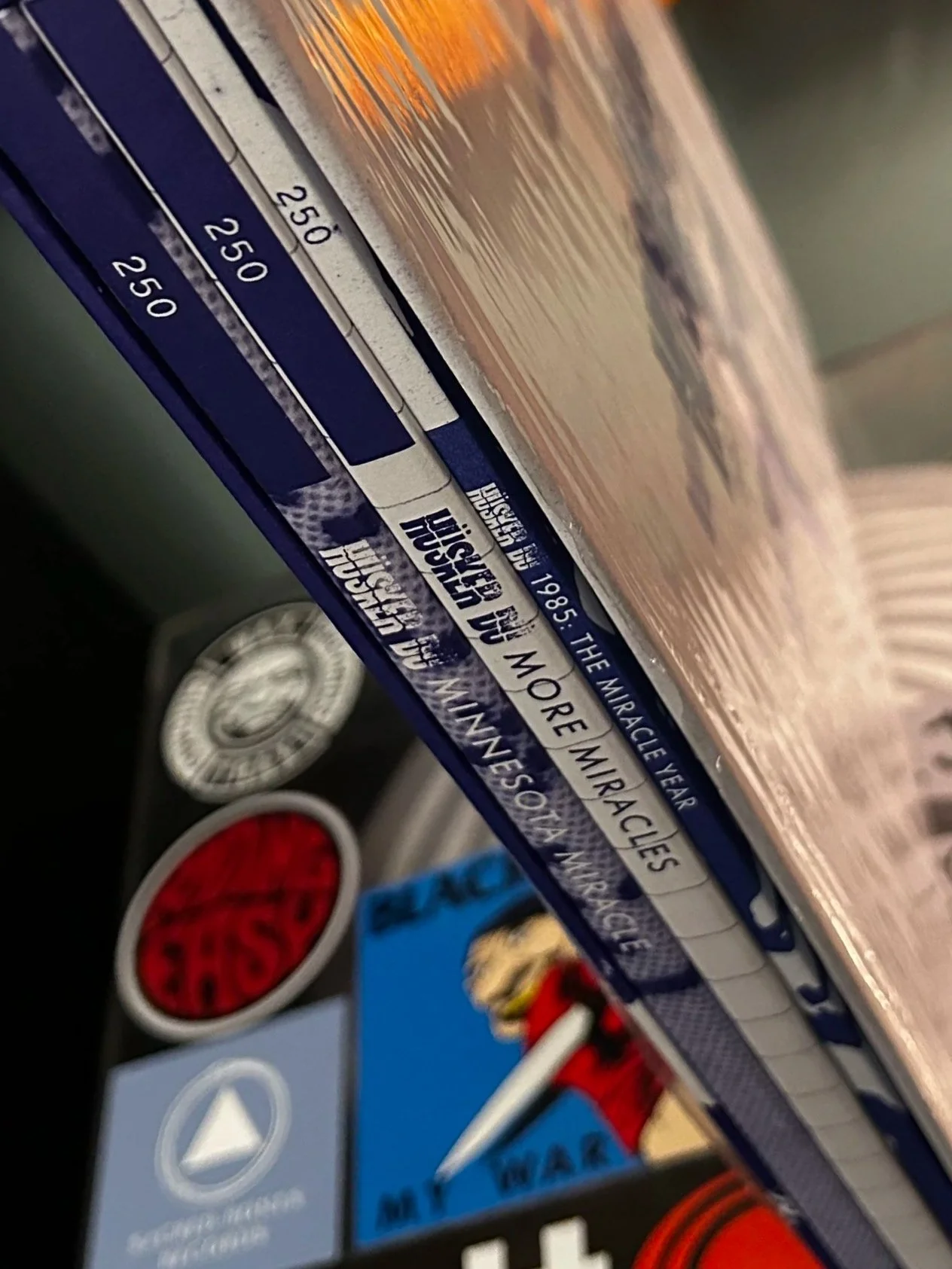
1985: The Miracle Year was released in early November by Numero Group. Sort of a sequel to the early-career collection of Hüsker tracks assembled and issued by Numero in 2017 titled Savage Young Dü, 1985: The Miracle Year captures the band in its final year as an indie scene pillar before they signed to Warner Bros., Hüsker’s major label debut, Candy Apple Grey, releasing in 1986. Interestingly, early versions of tracks from Candy Apple Grey were performed at The Fairgrounds Horticulture Building in Salt Lake City, Utah, on November 3rd, featured on side E of the More Miracles set.
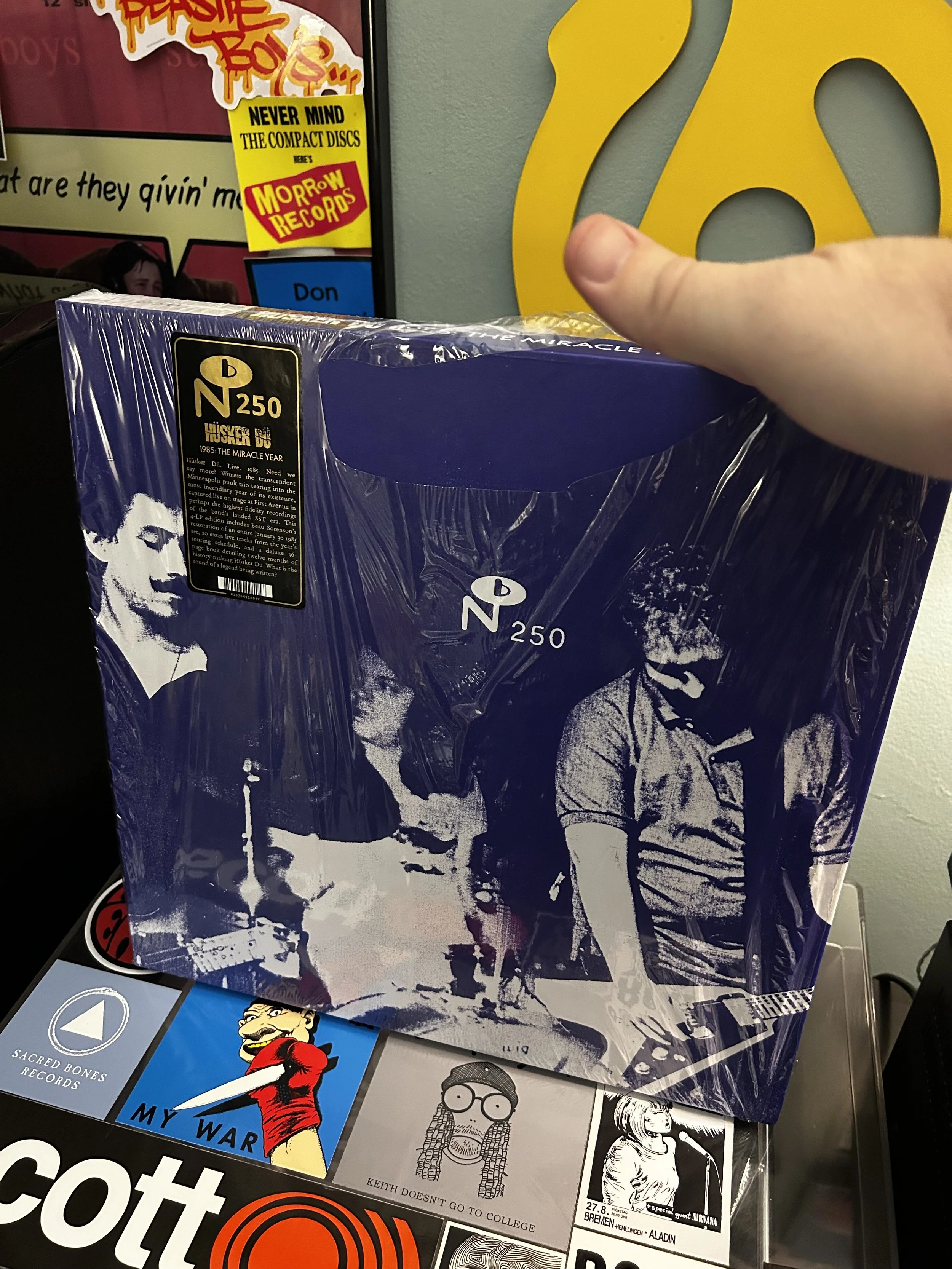
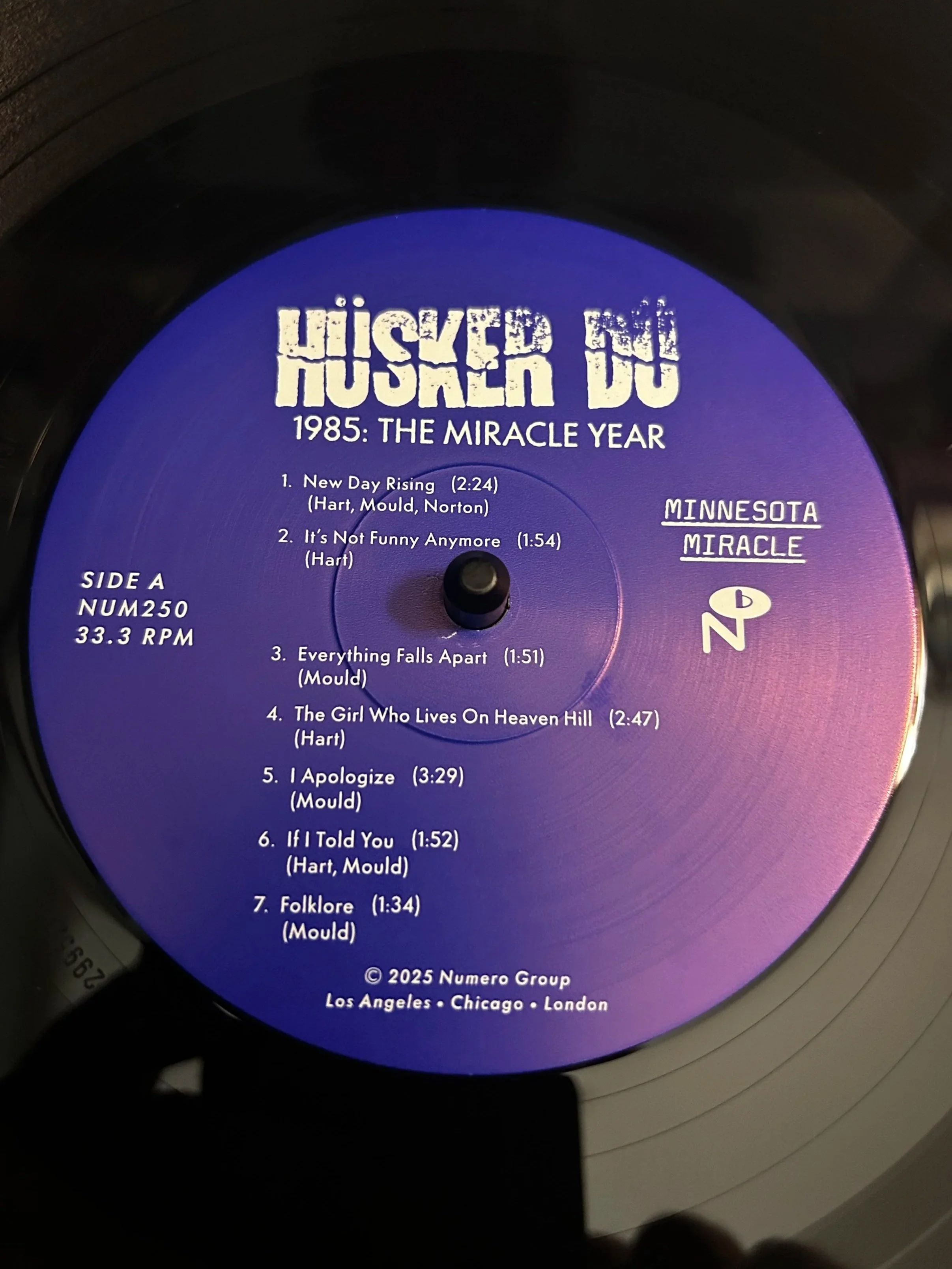
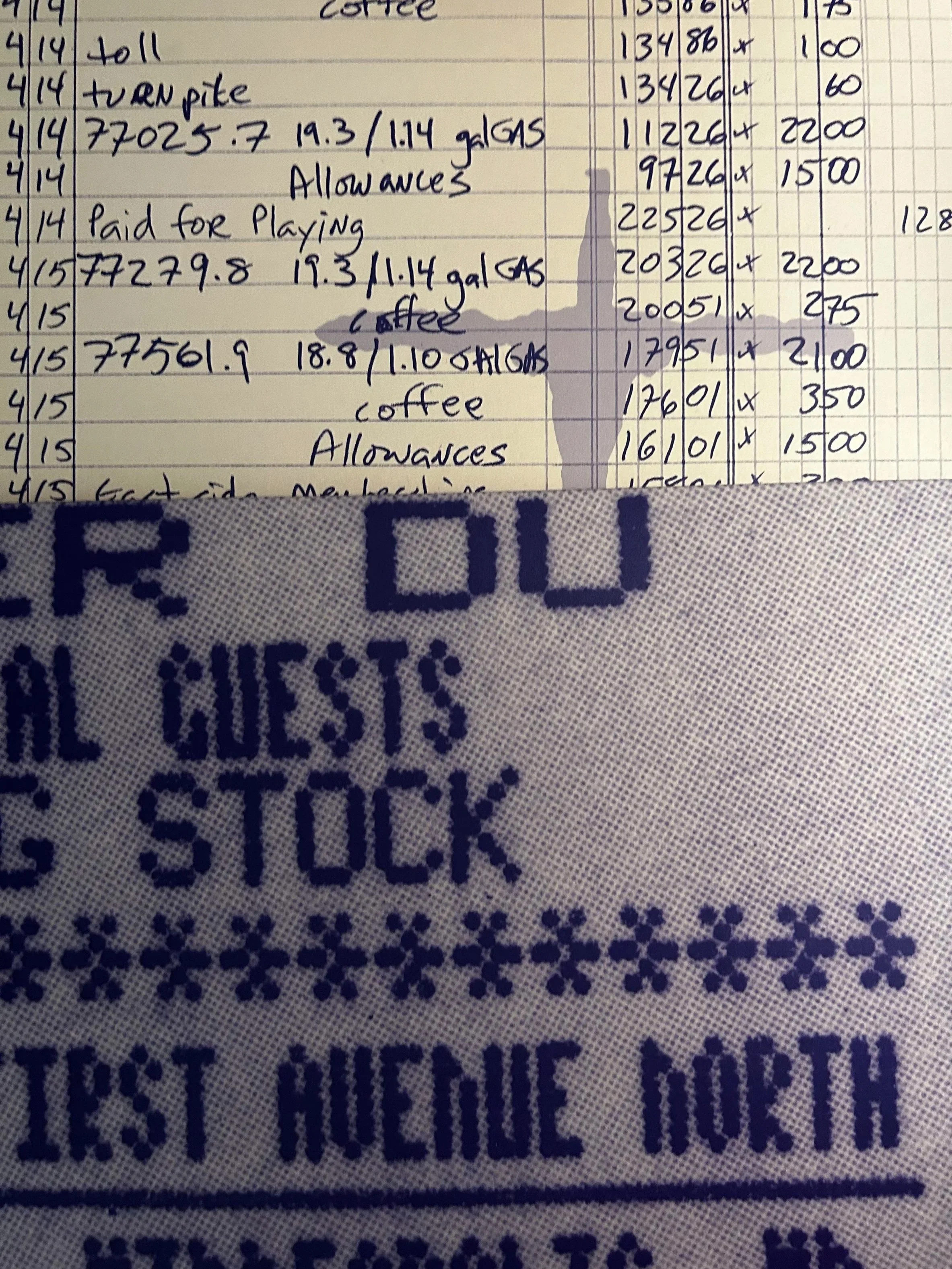
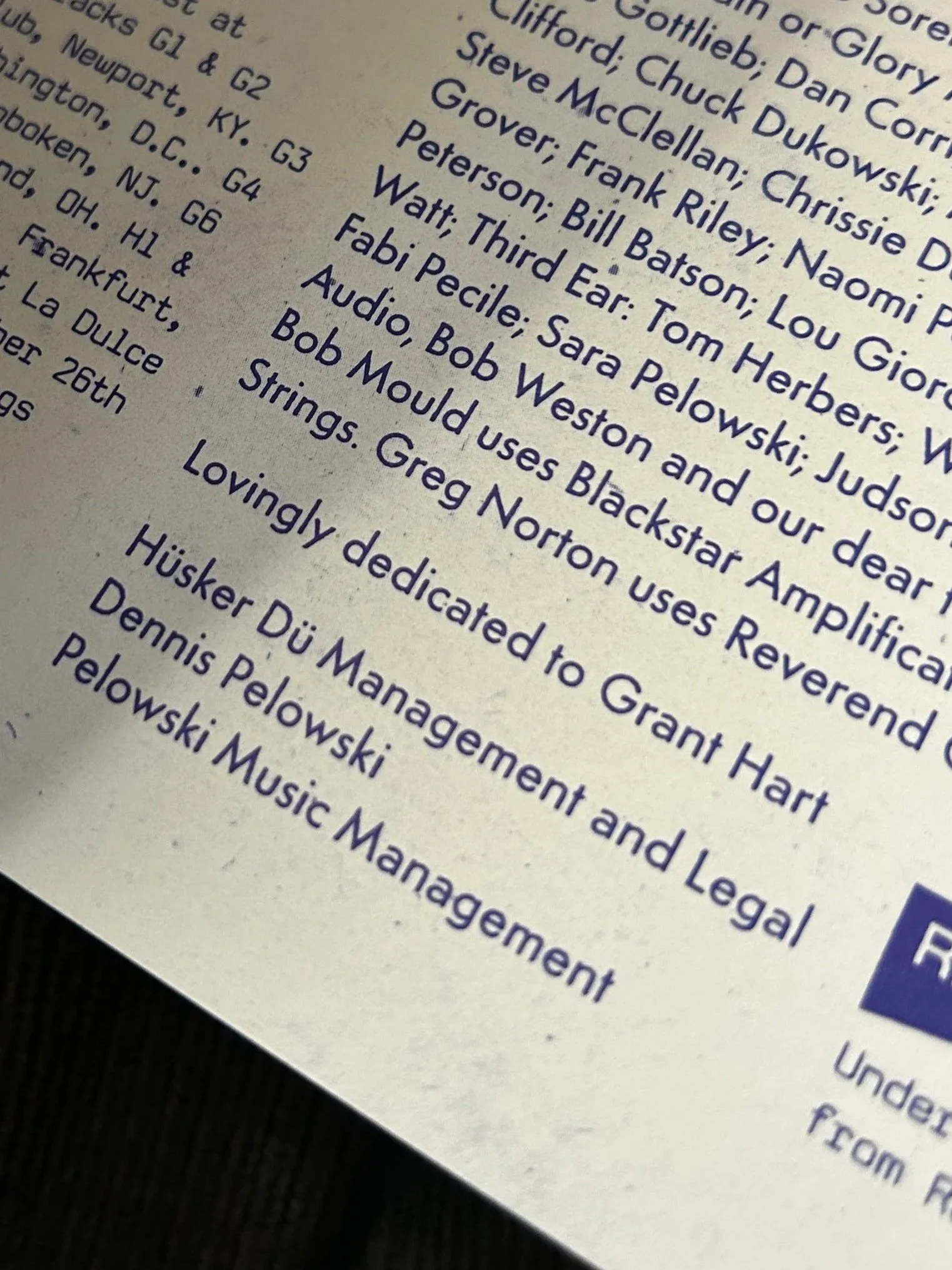
And what does More Miracles mean? Well, the tracks compiled for the set are organized into two collections: Minnesota Miracle, which captures the full January 30th performance recorded at First Avenue in Minneapolis, and More Miracles, which pulls together selected tracks from multiple live dates. A beautifully designed and devised 36-page booklet delves into what was going on with Hüsker Dü during those heavy months, a full set of liner notes penned by Bob Mehr (Trouble Boys: The True Story Of The Replacements). The booklet also includes a bulleted timeline of tour dates, recording sessions, video shoots, and live tapings, and the track listing for each LP complete with performance dates and venues. And it all fits into one nicely printed box.
Noted in the foreword, Hüsker bassist Greg Norton had stated in an interview with Perfect Sound Forever in 2024:
“One of the things about seeing Hüsker Dü back in the '80's was that if you went to a show, you were always going to hear the album that we hadn't recorded yet. You would probably only hear a few songs from the album that just came out... so we would literally tour the new record on the way to record it. So by the time we hit the studio, it was tight and ready to go.”
Hüsker Dü’s follow up to their pioneering double-LP Zen Arcade arrived in early January, New Day Rising. Flip Your Wig would arrive later that September. Tracks from both albums comprise Hüsker’s Minnesota Miracle setlist, a relatively fresh collection of songs (“New Day Rising,” “The Girl Who Lives on Heaven Hill,” “I Apologize”) performed alongside previewed ones (“Makes No Sense At All,” “Divide and Conquer,” “Hate Paper Doll”).
With barely a second wasted between songs, Grant Hart’s opening percussive attack for “New Day Rising” launches the band’s set almost immediately after they’re introduced to the audience. From there, Hüsker Dü tear through a 23-song set, Bob Mould’s inexhaustible shout and Hart’s higher register somehow audible above their thrashed-out melodies and sturdy low end. It’s easy to forget that there was an audience in attendance, since there’s scant pause between songs lengthy enough to squeeze any applause.
Following their cover of The Byrds’ “Eight Miles High,” there’s a block of covers that include “Ticket To Ride” and “Helter Skelter” (with vocal assistance from Soul Asylum’s David Pirner) by The Beatles and “Love Is All Around,” the theme song from The Mary Tyler Moore Show. Somehow it fits.
For More Miracles, fidelity varies, but not to any detracting measure. Composed of 20 tracks recorded at nine different gigs, this portion of the box set is well-curated and seamlessly edits together, with no single track repeated across the entire collection.
Side E, which was brought up earlier, is completely built from songs that would later appear on Candy Apple Grey. A moment of significant crowd interaction closes out the F side with the song “All Work And No Play,” a call and response carried out during a Halloween gig at Fender’s Ballroom in Long Beach, California, appropriate considering The Shining reference. It’s a lengthy outro, the crowd exuberantly participating until the momentum dies down.
I’ve built my last few weekends around listening to 1985: The Miracle Year, finding time for immersive (distraction-free) consideration. It’s a lot of music to absorb, especially when four albums' worth of interaction is required, and I felt that this collection warranted better than piecemeal concentration.
When I reached “Chartered Trips,” which is my all-time favorite Hüsker Dü song, it was as if I’d reached a finish line of sorts, two tracks from the end of the final side of this set. It’s a scorching rendition, the emotional weight intact, the tempo dialed up a tad. After the song ends, Mould chides an unruly member of the audience, calling him a “fuckhead.” I giggled at the idea of ending the album there, this momentous tribute to one of modern rock’s most seminal and celebrated bands finishing off with a shouted expletive instead of the expected utterance of “Thank you, everybody. Good night!” or an extended stretch of slowly fading applause. Instead, “The Wit And The Wisdom” sounds off like internalized grievances finally being aired, a turbulent jumble of strident noise leading into the impassioned “Misty Modern Days.” It’s a much better ending than what I had in mind.
Sincerely,
Letters From A Tapehead